Go to main contentsGo to search barGo to main menu

Ricketts backs bill to give ranchers more fencing options

WASHINGTON, D.C. — Nebraska ranchers hit hard by this spring’s wildfires could have another tool available as they rebuild damaged fence lines.

U.S. Sen. Pete Ricketts, R-Neb., has joined U.S. Sens. Martin Heinrich, D-N.M., Deb Fischer, R-Neb., and Michael Bennet, D-Colo., in introducing the Fencing Eligibility for New Conservation Equipment Act.

The bill, known as the FENCE Act, would allow the U.S. Department of Agriculture to include virtual fencing as an eligible option under the Emergency Conservation Program.

The program currently helps farmers and ranchers recover from natural disasters by covering up to 75 percent of the cost to restore or replace permanent agricultural fences.

The FENCE Act would give producers the option of using new or emerging technology, such as virtual fencing, if it makes sense for their operation.

The bill would not allow the use of electronic fencing technology to increase the cost of repairing or replacing current permanent fencing structures.

Virtual fencing uses GPS-enabled collars to help control cattle movement through audio cues and electrical pulses.

Supporters say the technology can help with grazing management, land management and disaster recovery.

“Nebraska’s ranchers are the best in the world. They’ve shown it this year in response to this spring’s devastating fires across our state,” Ricketts said. “Ranchers recently shared with me that one-size-fits-all policies are hindering their ability to rebuild. The FENCE Act encourages USDA to continue finding new ways to support Nebraska’s recovery efforts.”

Fischer said the measure would give producers more flexibility after disasters.

“When the Senate passed my Emergency Conservation Program Improvement Act in March, I said that flexibility is my top priority in improving disaster assistance,” Fischer said. “The FENCE Act is no different. This legislation opens the door for producers to use new technology, like virtual fencing, to replace their damaged or lost fence lines after disasters strike. This would be a great opportunity for farmers and ranchers to seize if it makes sense for their operation.”

Heinrich said virtual fencing could also reduce the need for some physical fence lines that affect wildlife movement.

“As a kid, I helped repair fences on our small calf-cow operation, and I know exactly how time consuming it is,” Heinrich said. “As a sportsman, I’ve also seen how built infrastructure can dramatically alter wildlife migration corridors.”

Bennet said ranchers across the West need more tools as they deal with wildfires and changing conditions.

“We need to give farmers and ranchers the tools to navigate changing conditions, adopt new technologies, and build resilient operations,” Bennet said. “This bill provides the flexibility ranchers need to recover in ways that work best for them.”

The proposal follows concerns raised by Nebraska farmers and ranchers after wildfires damaged agricultural land and fencing.

Ricketts said the bill could also help operations that rely on grazing access in areas such as the Valentine National Wildlife Refuge.


Share
Rate

Randolph Public School HW
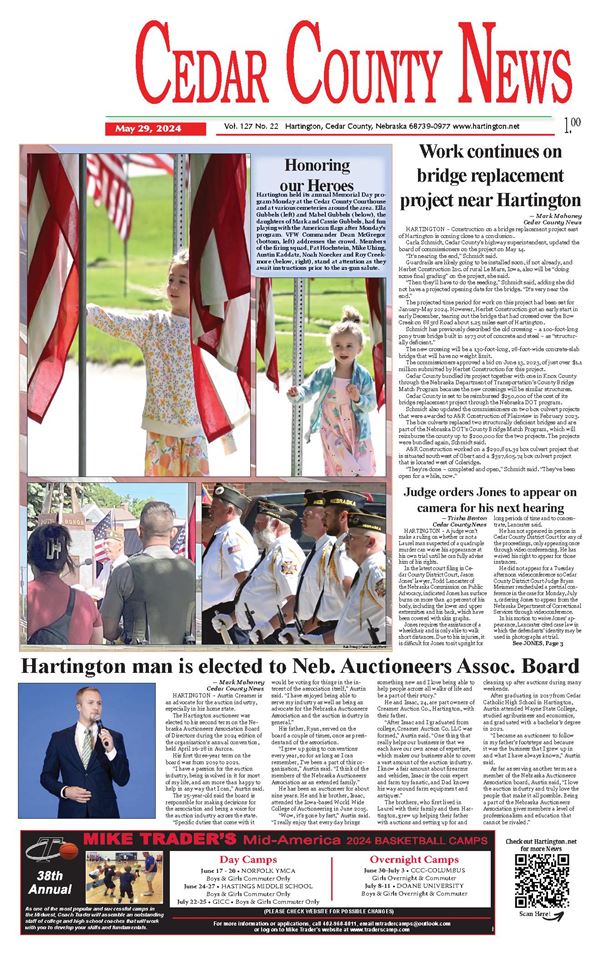
Read Cedar County News e-Edition
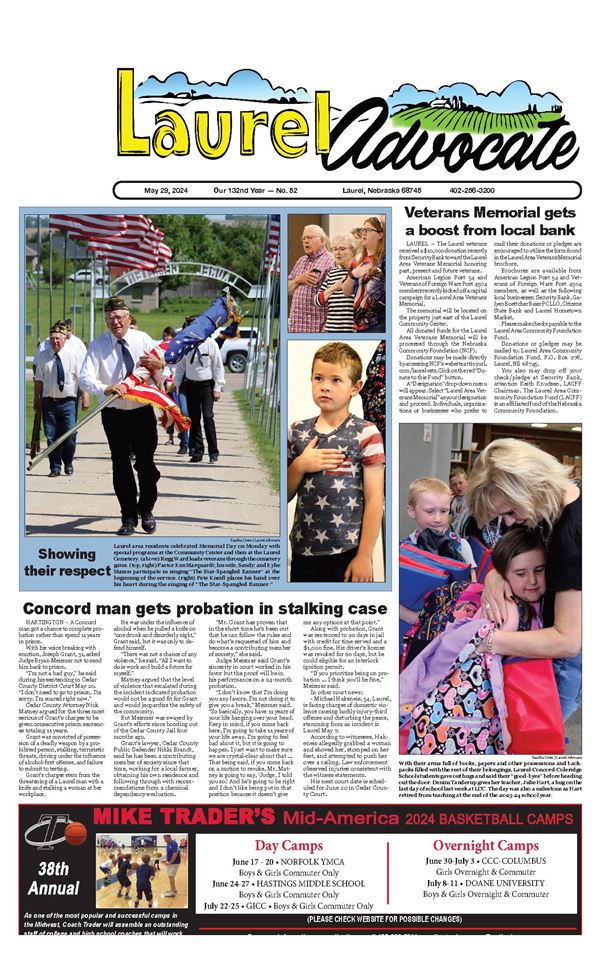
Read Laurel Advocate e-Edition
Read The Randolph times e-Edition
Download our app!
App Download Buttons