OGALLALA — U.S. Department of Agriculture Secretary Brooke Rollins on Monday toured the destruction left behind by the Morrill Fire. She was joined by several state leaders, including Gov. Jim Pillen, Sens. Deb Fischer, Pete Ricketts and 3rd District Rep. Adrian Smith.
The visit comes as fire crews have nearly reached containment on the Morrill Fire, the largest wildfire in Nebraska’s history. Nearly 200 fire personnel were still stationed on that fire as of Monday afternoon. The fire has blackened at least 632,029 acres across five Nebraska counties: Morrill, Garden, Grant, Arthur and Keith. The wildfire ignited on March 12, and about two days later, Pillen said the cause was “electrical” in nature and possibly started from power lines being blown over. Crews are also nearly done with containing the Cottonwood Fire that’s burned around 128,289 acres between Lincoln and Dawson counties.
The cause of that fire has yet to be disclosed, but about 262 people are still working to bring the fire under control. As of Monday afternoon, it was 96% contained.
The state has received personnel and response assistance from the Rocky Mountain Incident Response Team and secured a special Fire Management Assistance grant from the Federal Emergency Management Agency (FEMA). While touring the wildfire destruction this week in Nebraska, USDA Director Rollins said she will “fully back” Nebraska’s requests to FEMA for disaster declaration financial assistance.
“Americans come together, and we lock arms, we bow our heads in prayer, and we get to work. USDA and the Trump administration is with you. We are 100% committed to supporting our firefighters, our producers and all the Nebraska rural communities during this response and throughout the recovery that follows,” Rollins said.
Nebraska is still waiting to hear back from White House on whether the Trump administration will grant its request for a disaster declaration. But state leaders are encouraging Nebraska property owners to take pictures and document any damage related to the fires or any purchases made to fix or replace property damaged in the fires, such as fencing and farm structures.
The Morrill Fire, which killed one person in Arthur County, has left behind a mess for ranchers. According to an official with the Rocky Mountain Incident Response Team, 200 sheep have also been killed by the Morrill Fire, but officials expect that toll to increase as the fire burns out and more surveys can be done. The fire destroyed one structure and damaged seven others.
The Cottonwood Fire, which caused several evacuations since it ignited on March 12, has destroyed three homes and damaged two others. It also took out 41 structures and outbuildings.
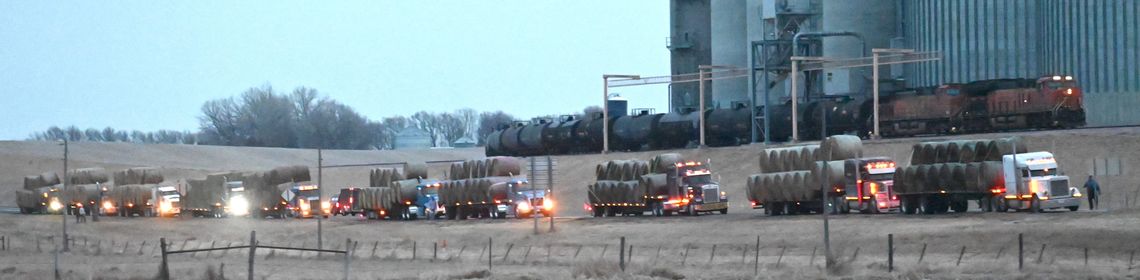
But one of the largest losses to farmers and ranchers is grass. The fires depleted miles of forage for cattle at an especially fragile time – calving season, when many pregnant cows are needing extra food to carry and feed their calves. Given the historically low number of cattle in the U.S. herd, cattle owners are raking in profits off any new cows they can produce. But with solid cattle prices comes an offset of higher prices for customers at the grocery store.
Rollins said she’s spoken to the President about the Nebraska fires and other wildfires burning in Kansas and Oklahoma, and what effects those will have on cattle herds. She has a cabinet meeting Thursday with the president, and she said she will bring up the fires.